
Hantavirus Headlines are Scary, but Pandemic's an Unlikely Outcome
Experts say hantavirus is serious but spreads poorly between people, making it far less likely than flu- or COVID-style viruses to go global.

 Wes Platt
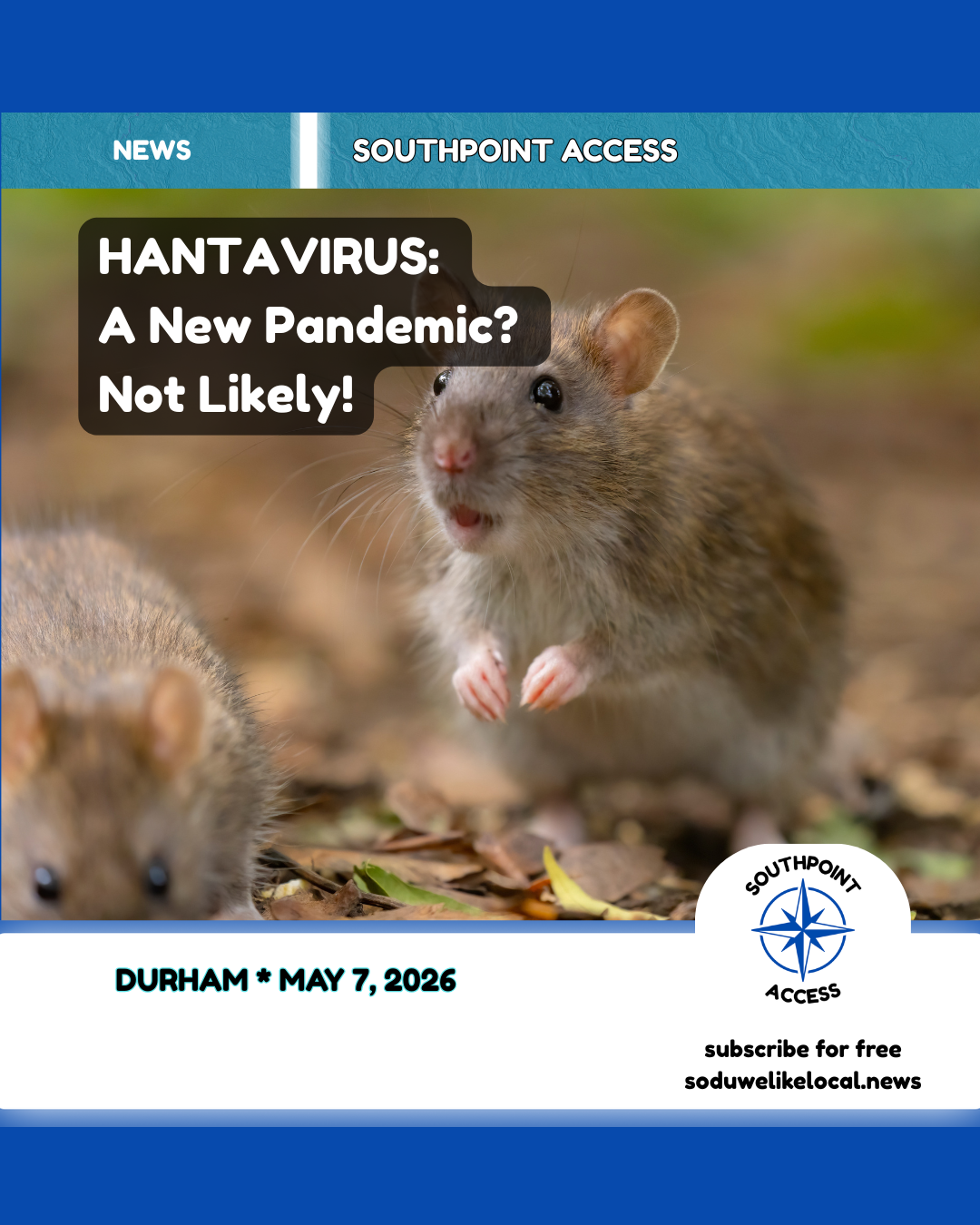
Don't get me wrong: Hantavirus is a serious illness. But this latest viral bogeyman in the news isn't expected to become a world-shifting pandemic that shuts down schools and requires everyone to wear masks for their own safety.
Here's what you need to know:
Hantavirus doesn't behave like flu, COVID, or measles. In the United States, people usually catch it from breathing in virus-contaminated dust from rodent urine, droppings, saliva, or nesting material - not casual contact with other people. The Centers for Disease Control reports that only 890 U.S. cases were reported from 1993 through the end of 2023.
Why's it on our minds now? The World Health Organization is tracking a cruise-ship cluster involving the Andes virus, a rare hantavirus strain in South America that has shown limited person-to-person transmission in past outbreaks. Even there, WHO says the global public health risk is low. That's very different from a virus adapted for easy, sustained community spread.
Molly Quell and Gerald Imray and Suman Naishadham
For North Carolina, the risk looks even lower. State public health officials indicate that hantavirus is contracted from infected rodents or their waste, but the state has only had one recorded case - in 1995. None since.
So, for neighbors in South Durham: this isn't really a pandemic threat, but a reminder to take precautions when you're doing spring-cleaning projects in sheds, garages, attics, or crawlspaces where you might find mouse droppings.
The CDC urges people not to sweep or vacuum droppings when they're dry. Wet them with disinfectant, let it soak, and then wipe up while wearing gloves and a face mask.
CDC
If you develop fever, muscle aches, and shortness of breath after rodent exposure, seek medical care.
Get Connected
- Send email to your neighborhood news guy: wes.platt@southpointaccess.news
- Follow on Threads.
- Connect on Instagram!
- Join our Discord community
- Join the Southpoint Access subreddit!
🤝 Support Our Sponsors
Local journalism in South Durham survives thanks to the generous businesses and organizations that make this work possible. 🧭
By supporting these sponsors, you’re helping Southpoint Access continue to deliver trusted, hyperlocal news and resources for our community - from school updates to neighborhood stories that keep South Durham connected.
💛 Shop local. Hire local. Support those who support Southpoint Access.





![[SoDu We Grow] Two projects leave the list as South Durham’s development calendar fills up](https://storage.ghost.io/c/50/33/50334374-93a7-4cf9-ba69-d7d51c63be2a/content/images/size/w600/2026/10/grow101-1.png)
![[SoDu We Dine] Two restaurants gain 6 points in latest South Durham inspection update](https://storage.ghost.io/c/50/33/50334374-93a7-4cf9-ba69-d7d51c63be2a/content/images/size/w600/2026/10/diningguide829.png)
![[SoDu We Take a Break] All treats, no tricks](https://storage.ghost.io/c/50/33/50334374-93a7-4cf9-ba69-d7d51c63be2a/content/images/size/w600/2026/10/takeabreak1021.png)
![[SoDu We Work] Holiday work, school programs, and utilities jobs](https://storage.ghost.io/c/50/33/50334374-93a7-4cf9-ba69-d7d51c63be2a/content/images/size/w600/2026/10/jobsguide829.png)